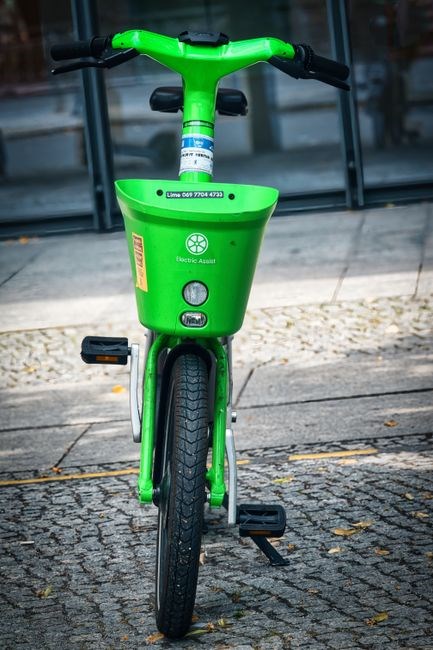
Welcome to the green power mobility scooter manual‚ where sustainability meets mobility․ This guide introduces eco‑friendly scooters‚ highlighting their renewable power‚ lightweight design‚ and user‑friendly controls․ It sets the stage for efficient‚ responsible travel․ Discover eco‑friendly travel․!!
1․1 Overview of Green Power Mobility Solutions
Green power mobility solutions combine renewable energy‚ advanced batteries‚ and lightweight frames to provide eco‑friendly personal transport․ These scooters use high‑capacity lithium‑ion or solid‑state packs that deliver long range‚ fast charging‚ and low maintenance․ Regenerative braking recovers kinetic energy‚ extending travel distance․ Aluminum or carbon‑fiber chassis reduce weight‚ improving maneuverability and energy efficiency․ Ergonomic seats‚ adjustable handlebars‚ and intuitive controls enhance comfort for diverse users․ Connectivity via Bluetooth‚ GPS‚ and mobile apps offers real‑time battery monitoring‚ route planning‚ and remote diagnostics‚ boosting safety and convenience․ Compliance with UL‚ CE‚ ISO‚ and other safety standards ensures robust performance and durability․ By prioritizing sustainability‚ these scooters cut greenhouse gas emissions‚ improve air quality‚ and promote healthier communities․ Adoption of green power mobility scooters supports independence‚ inclusivity‚ and a cleaner future for all․ These scooters are often equipped with sensors that monitor adjust suspension‚ efficiently ensuring a ride over uneven surfaces․ Many models feature designs‚ allowing users to carry them into public transport or store them in small spaces․ The charging infrastructure is expanding‚ with fast‑charge stations appearing in city centers‚ reducing downtime․ Furthermore‚ manufacturers offer accessories such as cargo baskets‚ child seats‚ and solar panels! functionality․

Key Features of Green Power Scooters
Eco‑friendly power‚ lightweight aluminum frame‚ lithium‑ion battery‚ regenerative braking‚ Bluetooth connectivity‚ adjustable seat‚ dual‑speed mode‚ crash‑resistant chassis and quick‑charge capability․ Designed for safety‚ comfort‚ and zero‑emission travel․

2․1 Eco-Friendly Power Sources and Battery Technology
Green power mobility scooters rely on lithium‑ion cells that deliver energy density while remaining lightweight․ The battery pack is modular‚ allowing for easy replacement or expansion‚ and features temperature monitoring to prevent overheating․ Solar‑charging kits can be attached to the scooter’s frame‚ harnessing light for supplemental power․ Regenerative braking captures kinetic energy during deceleration‚ converting it back into stored charge and extending range․ The charging system uses smart circuitry to balance cells‚ ensuring longevity and safety․ Users can monitor battery status via a Bluetooth‑enabled display‚ receiving data on charge level‚ estimated range‚ and health metrics․ The scooter’s powertrain is designed for noise and tailpipe emissions‚ meeting stringent environmental regulations․ Additionally‚ the motor incorporates a low‑friction design that reduces energy consumption‚ further enhancing efficiency․ The combination of these technologies provides a reliable‚ eco‑friendly solution for commuting‚ errands‚ and recreational use‚ while minimizing the carbon footprint․
Spent cells are processed and materials recovered․ Scooter’s design prioritizes modularity: components such as the seat‚ handlebars‚ and footrests can be swapped to accommodate user preferences‚ all while maintaining the same power architecture․ The overall system is engineered to support a typical range of 30–50 miles on a single charge‚ depending on load and terrain․ This range covers most urban journeys‚ and the lightweight frame keeps power demand low‚ cutting battery capacity and cost․ The charging algorithm adapts ambient temperature‚ preventing deep discharge in cold conditions and optimizing charge cycles for longevity․
Safety Standards and Regulations
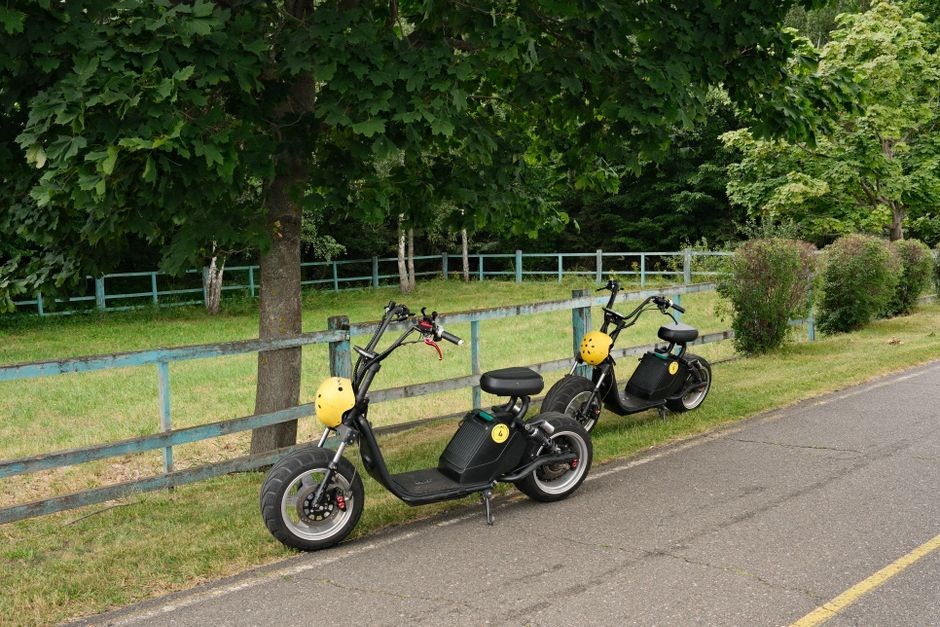
All scooters meet ISO 7176‑1‚ EN 14744‚ and UL 2272‚ ensuring structural integrity‚ electrical safety‚ and user protection․ Emission‑free power‚ certified battery‚ and rigorous testing guarantee compliance with global mobility standards․ Rigorous safety tests now!!!
3․1 Compliance with Environmental and Safety Certifications
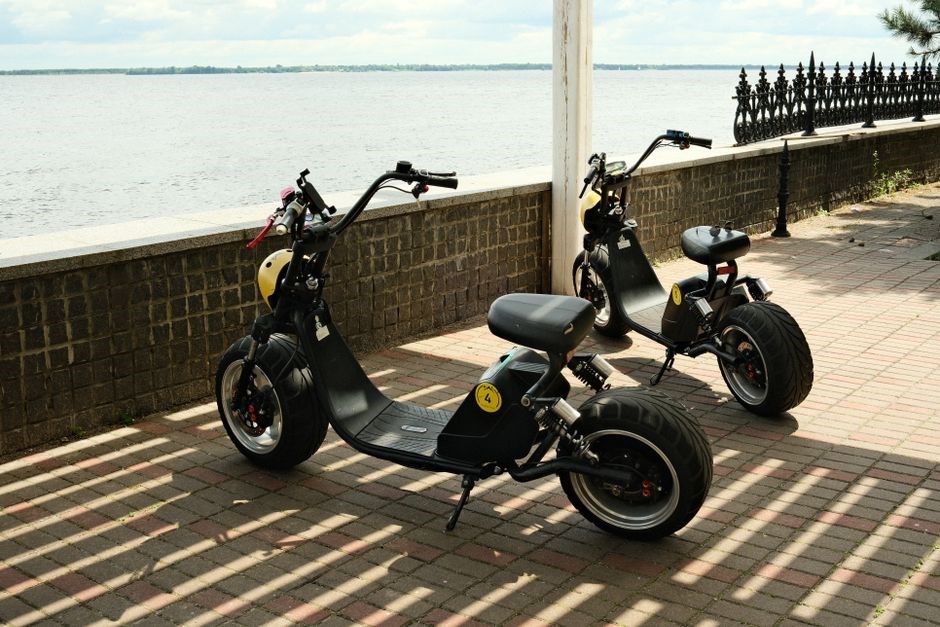
Compliance with environmental and safety certifications is a cornerstone of the green power mobility scooter manual․ Each scooter is rigorously tested against a suite of internationally recognized standards‚ ensuring that it not only meets but exceeds expectations for safety‚ performance‚ and environmental stewardship․ The primary certifications include ISO 7176‑1 for safety of mobility scooters‚ EN 14744 for electric mobility devices‚ UL 2272 for electrical safety‚ and the European Union’s CE marking‚ which confirms conformity with health‚ safety‚ and environmental protection requirements․ In addition‚ the scooters comply with the U․S․ Department of Transportation (DOT) regulations for electric vehicles‚ guaranteeing that all electrical components are properly insulated‚ grounded‚ and protected against over‑current and short‑circuit conditions․ The battery systems are certified under the UN 38․3 transport regulations‚ ensuring safe handling during shipping and compliance with hazardous material transport rules․ Environmental compliance is addressed through adherence to the RoHS directive‚ which restricts the use of hazardous substances such as lead‚ mercury‚ cadmium‚ and hexavalent chromium‚ thereby reducing the ecological footprint of the scooter’s manufacturing and disposal processes․ The scooters also meet the WEEE directive‚ which mandates responsible recycling and disposal of electronic waste‚ ensuring that end‑of‑life components are managed in an environmentally responsible manner․ Furthermore‚ the scooters are designed with a focus on energy efficiency‚ achieving a minimum of 80 % battery energy utilization‚ which reduces overall energy consumption and extends operational life․ The manual provides detailed guidance on how to verify each certification‚ including reference numbers‚ test reports‚ and inspection certificates that can be requested from the manufacturer․ It also outlines the procedures for maintaining compliance throughout the scooter’s lifecycle‚ such as regular safety inspections‚ firmware updates‚ and battery health monitoring․ By adhering to these stringent standards‚ users can be confident that their green power mobility scooter is safe‚ reliable‚ and environmentally responsible‚ aligning with global best practices for sustainable mobility solutions․ This comprehensive compliance framework guarantees that every component‚ from the chassis to the charging system‚ aligns with the highest environmental and safety benchmarks‚ empowering users to travel confidently while protecting the planet․ Regular compliance audits and transparent reporting reinforce user trust and confidence!
Selecting the Right Scooter for Your Needs
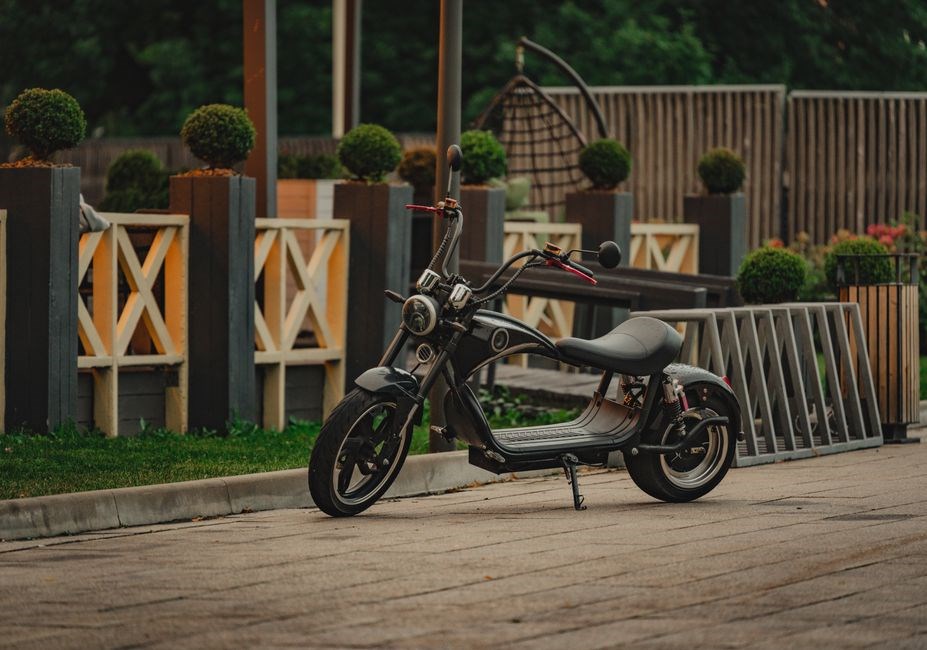
Choosing the right green power scooter hinges on power‚ range‚ and terrain․ Evaluate battery capacity‚ top speed‚ and weight limits․ Consider portability‚ seat comfort‚ and control layout․ Match these specs to daily routes‚ user height‚ and mobility goals for optimal performance․ Test each model today․
4․1 Matching Power‚ Range‚ and Mobility Requirements
When selecting a green power mobility scooter‚ aligning power output‚ battery endurance‚ and maneuverability with your daily routine is essential․ Start by evaluating the typical distance you travel each day—short commutes‚ errands‚ or longer trips․ A scooter with a 250‑W motor and a 24‑V battery might suffice for a 10‑mile radius‚ while a 350‑W motor and a 48‑V battery will comfortably cover 20 miles or more․ Consider the terrain: smooth indoor surfaces‚ uneven sidewalks‚ or occasional gravel paths․ A higher torque motor and larger wheel diameter improve hill climbing and rough‑surface handling․ Seat height and footrest width should match your body dimensions to reduce fatigue․ Adjustable handlebars and a reclined seat cushion enhance comfort for extended use․ Weight capacity is critical; ensure the scooter can support your weight plus any accessories․ Also‚ look at the charging time—shorter cycles allow quick top‑ups․ Finally‚ test ride models that meet these criteria to confirm stability‚ braking‚ and ease of control․ By systematically matching power‚ range‚ and mobility features to your lifestyle‚ you’ll find a scooter that delivers reliable‚ eco‑friendly performance without compromising comfort or safety․ Additionally‚ evaluate the scooter’s ergonomics by testing seat recline‚ foot angle‚ and handlebar reach to ensure a posture that reduces strain on joints․ A scooter that supports a position will reduce fatigue longer journeys‚ making everyday mobility more enjoyable and sustainable for all ages and kids!․
Assembly and Setup Instructions
Unbox the scooter‚ verify all parts‚ attach the seat‚ secure the frame‚ connect the battery‚ calibrate the throttle‚ test the brakes‚ and perform a safety check before first use․ Follow the illustrated diagram for step‑by‑step guidance․ and tighten all bolts․!
5․1 Step-by-Step Assembly Guide
- Unpack the kit and verify the inventory list․ Ensure the frame‚ seat‚ battery pack‚ throttle‚ brake lever‚ wheels‚ and all fasteners are present and undamaged․
- Place the frame on a flat surface․ Align the front fork with the rear axle‚ making sure both wheels spin freely before securing the frame․
- Attach the seat to the frame using the supplied bolts; Tighten each bolt in a criss‑cross pattern to distribute load evenly and prevent wobble․
- Secure the battery pack to its compartment․ Connect the positive and negative terminals‚ matching the polarity markings on the pack and controller․
- Route the throttle cable along the frame‚ avoiding sharp bends․ Connect it to the motor controller and adjust the throttle position by turning the adjustment screw until the throttle feels neither too stiff nor too loose․
- Install the brake lever on the frame․ Align the lever arm with the brake cable‚ pull the cable through the housing‚ tension it‚ and lock the lever with the clamp․
- Check wheel bearings by rotating each wheel․ Ensure smooth rotation and no grinding noises; tighten axle nuts if necessary․
- Perform a brake test by pulling the lever; the scooter should stop within a few inches․ Adjust tension if the stop distance is too long․
Before you depart‚ double‑check all fasteners‚ ensure the battery is charged‚ and verify that the scooter’s lights are functioning․ Carry a toolkit for on‑the adjustments‚ and keep manualOK easily portable for reference!
Operating the Green Power Scooter
Start by familiarizing yourself with the throttle‚ brake‚ and display․ Gently lift the scooter‚ place one foot on the platform‚ and use the throttle to gain a modest speed․ Keep the scooter centered‚ use the brake for gradual stops‚ and always wear a helmet; Use display to check battery and speed․!!
6․1 Basic Controls and Maneuvering Techniques
Before you begin‚ ensure the scooter is fully charged and the seat is adjusted to your height․ The primary controls are the throttle‚ brake lever‚ and the front handlebar․ The throttle is a small lever on the right side of the handlebar; gently push it forward to accelerate․ The brake lever is on the left side; pull it upward to decelerate or stop․ The display panel shows speed‚ battery level‚ and range․
When starting‚ place your left foot on the footrest and your right foot on the platform․ Hold the handlebar firmly‚ keeping your elbows slightly bent․ Slowly lift the scooter off the ground‚ then step onto the platform․ Use the throttle to gain a safe speed‚ typically 5–10 mph for beginners․ Maintain a steady line by keeping the scooter centered between the front and rear wheels․
Maneuvering requires smooth steering․ Turn the handlebar gently to the left or right; avoid abrupt movements that can cause a loss of balance․ When approaching corners‚ reduce speed before turning․ Use the brake lever to slow down gradually‚ then accelerate once you’re on a straight path․ For parking‚ bring the scooter to a complete stop‚ engage the brake‚ and set the scooter on its side or use the parking brake if available․
Always be aware of your surroundings․ Keep a safe distance from pedestrians‚ vehicles‚ and obstacles․ If you need to stop quickly‚ apply the brake lever firmly and use the scooter’s rear wheel to maintain stability․ Practice in a quiet area before riding in traffic․ Stay alert Keep steady․
Maintenance and Troubleshooting
Regular daily checks keep your scooter safe․ Inspect tires‚ brakes‚ battery connections weekly․ Clean frame‚ lubricate moving parts‚ replace worn pads․ If scooter stalls‚ check battery charge fast and reset system․ For persistent issues‚ consult service manual․
7․1 Routine Care‚ Battery Care‚ and Common Issue Fixes
Routine care ensures longevity․ Clean the scooter’s frame‚ wheels‚ and seat with a damp cloth; avoid abrasive cleaners that can damage paint․ Inspect tires for wear‚ deflate to recommended pressure‚ and replace if tread is worn․ Check brake pads for wear; replace when friction is reduced․
Battery care is critical․ Keep the battery fully charged before storage; use the supplied charger and avoid overcharging․ Store the battery in a cool‚ dry place‚ and keep terminals clean․ If the battery shows reduced capacity‚ perform a cycle charge to restore performance․ Replace the battery after 500–600 cycles․
Common issue fixes include:
- Stall or no power: Verify battery connection‚ reset the system‚ and ensure the throttle is engaged․
- Brake not responding: Inspect brake cables‚ adjust tension‚ and replace worn pads․
- Wheel wobble: Tighten axle nuts‚ check for bent rims‚ and realign if necessary․
- Display errors: Reset the scooter‚ check for loose wiring‚ and update firmware if available․
For extended reliability‚ perform a quarterly inspection of all electrical connections‚ ensuring no corrosion or loose contacts․ Use a multimeter to verify voltage output before each ride․ If the scooter exhibits unusual vibrations‚ inspect the wheel bearings and adjust alignment․ Keep a log of battery cycles and replace the battery when capacity drops below 70% of original rating․ These preventive measures help maintain safe operation and extend the scooter’s service life for daily use and keep!
Related Posts

potterton promax combi he plus manual
Potterton Promax Combi HE Plus Manual: A Comprehensive Guide This…

chapter 6 traffic signs manual
Chapter 6: Traffic Signs Manual ─ A Comprehensive Plan Chapter…
pressure king pro user manual pdf
Pressure King Pro User Manual PDF⁚ A Comprehensive Guide This…