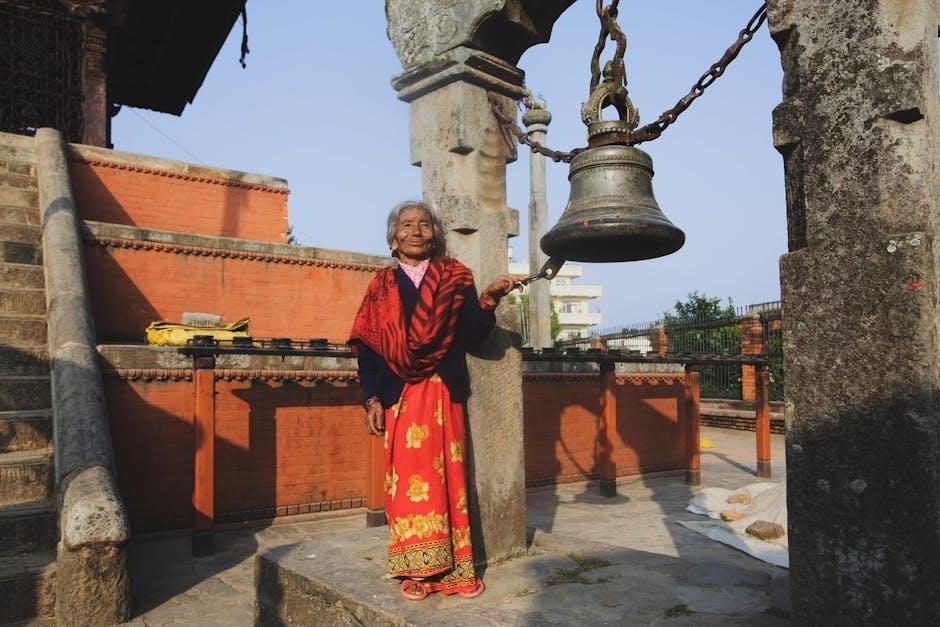
Understanding the AA 3rd Step Prayer
This prayer is the embodiment of the third step in Alcoholics Anonymous‚ which emphasizes the decision to turn our will and our lives over to the care of God.
Historical Context of the Prayer
The Third Step Prayer’s origins are deeply rooted in the early days of Alcoholics Anonymous‚ emerging from the collaborative efforts of Bill Wilson and Dr. Bob Smith‚ the co-founders. Initially‚ the prayer wasn’t a formally written text‚ but rather a synthesis of spiritual principles gleaned from various sources‚ including the Oxford Group – a Christian movement emphasizing surrender and moral inventory.
Early AA members wrestled with the concept of surrender‚ finding it challenging to relinquish control. The prayer evolved as a practical expression of this step‚ offering a concise way to articulate the willingness to trust a Higher Power. While the exact authorship remains somewhat unclear‚ the prayer gained prominence through its inclusion in early AA literature‚ specifically the book “Grapevine.”
Over time‚ the prayer became a cornerstone of the Third Step‚ providing a tangible means for members to connect with the spiritual foundation of recovery. Its enduring presence reflects its profound impact on countless individuals seeking freedom from alcohol addiction.

The Core Text of the 3rd Step Prayer (PDF Availability)
The Third Step Prayer reads: “God‚ grant me the serenity to accept the things I cannot change‚ courage to change the things I can‚ and wisdom to know the difference.” This concise yet powerful statement encapsulates the essence of surrender and acceptance central to the Third Step. Numerous sources offer readily available PDF versions of the prayer for personal use and distribution.

Official AA websites and literature‚ such as the AA Grapevine‚ frequently provide downloadable PDFs. Many recovery-focused websites and online communities also host the prayer in a printable format. Searching online for “AA 3rd Step Prayer PDF” yields a multitude of options.
These PDFs are often formatted for easy printing‚ allowing individuals to keep a physical copy for daily reflection. The widespread availability underscores the prayer’s significance within the AA community and its accessibility to those seeking support.
The Significance of the Third Step in AA
The Third Step marks a pivotal shift‚ acknowledging powerlessness and actively choosing to entrust one’s will and life to a greater power for guidance.
The First Two Steps as Foundation
The First Step honestly admits the existence of a problem with alcohol‚ acknowledging powerlessness over it. This isn’t about self-condemnation‚ but a crucial acceptance of reality‚ paving the way for change. The Second Step builds upon this foundation‚ introducing the belief that a Power greater than ourselves could restore us to sanity.
Crucially‚ the Second Step doesn’t demand a specific definition of this Power; it leaves room for individual understanding. These initial steps are vital because they dismantle the illusion of self-sufficiency and open the door to seeking help. Without acknowledging powerlessness and a belief in a greater power‚ the Third Step – the conscious decision to surrender – lacks the necessary groundwork. They prepare the individual to genuinely ask for‚ and accept‚ assistance beyond their own capabilities‚ setting the stage for lasting recovery.

The Concept of Surrender in Recovery
Surrender‚ within the context of the Third Step‚ isn’t about weakness or defeat; it’s a proactive choice to release the self-will that has consistently led to destructive patterns. It acknowledges that our own efforts to control alcohol and our lives have been insufficient. This isn’t a passive resignation‚ but an active shift in focus – from striving to control outcomes to trusting in a Power greater than ourselves to guide the process.
True surrender involves letting go of the need to be right‚ to be in charge‚ and to dictate the terms of recovery. It’s about accepting that a different path‚ one guided by something beyond our limited understanding‚ may be necessary for lasting peace and sobriety. This acceptance unlocks a profound sense of relief and allows for genuine growth.
Defining “God” as Understood in the Prayer
The AA Third Step Prayer intentionally uses inclusive language regarding “God‚” recognizing the diverse beliefs – or lack thereof – among members. It doesn’t prescribe a specific religious doctrine. Instead‚ “God” represents a Higher Power‚ understood individually. This Power can be anything that an individual believes gives life meaning and is capable of providing strength and guidance.
For some‚ it’s a traditional concept of God. For others‚ it might be the group of AA itself‚ nature‚ the universe‚ or even a deeply held set of principles. The crucial element is that this Power is perceived as benevolent and capable of assisting in recovery. The prayer encourages personal interpretation‚ fostering inclusivity and accessibility for all seeking help.
Analyzing the Prayer’s Key Phrases
Delving into the prayer’s wording reveals profound meaning; phrases like “Higher Power‚” “will and life‚” and “care of God” unlock deeper understanding of surrender.
“Higher Power” ⎯ Exploring Different Interpretations
The beauty of the Third Step prayer lies in its inclusive definition of a “Higher Power.” It intentionally avoids specifying a traditional God‚ recognizing the diverse backgrounds and beliefs of individuals seeking recovery. This allows members to conceptualize a power greater than themselves in a way that resonates personally.
For some‚ this might be a conventional deity‚ while others may find their Higher Power in the group itself‚ the principles of the program‚ nature‚ or even a sense of universal love and energy. The key is that this power must be believed to be capable of restoring sanity and offering guidance. The prayer doesn’t demand faith in a specific entity‚ but rather faith in something beyond one’s own limited willpower.
This flexibility is crucial‚ as it removes barriers for those who may have negative experiences with organized religion or struggle with the concept of a personal God. The Third Step encourages a deeply personal and evolving understanding of this Higher Power‚ fostering a sense of hope and possibility.
“Will and Life” ― What Does This Entail?
Surrendering “will and life” within the Third Step prayer represents a profound shift in perspective. It’s not about passively relinquishing control‚ but rather acknowledging the limitations of self-reliance in the face of addiction. “Will” encompasses our conscious desires‚ ambitions‚ and attempts to manage our lives‚ which have demonstrably failed to overcome the power of alcohol or other compulsions.
“Life” signifies the entirety of our existence – our thoughts‚ feelings‚ behaviors‚ and the consequences they create. To surrender life is to release the need to dictate outcomes and trust in a power greater than ourselves to guide us towards a more fulfilling path. This entails a willingness to accept help‚ embrace change‚ and relinquish the illusion of control.
It’s a continuous process‚ not a one-time event‚ requiring daily honesty and a commitment to living in accordance with spiritual principles.
“Care of God” ― Trust and Acceptance
The phrase “care of God” within the Third Step prayer evokes a sense of surrender and reliance on a higher power. It’s a declaration of trust‚ acknowledging that our well-being is best served by relinquishing control and accepting guidance beyond our own understanding. This doesn’t necessitate a traditional religious belief; “God” can be interpreted as a universal life force‚ a loving presence‚ or simply a source of wisdom and strength.
Acceptance is crucial. It means embracing the present moment without resistance‚ acknowledging our powerlessness over addiction‚ and trusting that a benevolent force is working for our highest good. This trust isn’t blind faith‚ but a growing conviction born from experience and a willingness to follow spiritual principles.
It’s a daily practice of letting go and allowing a higher power to lead.
Practical Application of the 3rd Step Prayer
Integrating this prayer into daily routines fosters consistent surrender and reliance on a higher power‚ promoting inner peace and guiding recovery efforts effectively.
Daily Recitation and Reflection
Establishing a consistent practice of reciting the Third Step Prayer each day is profoundly beneficial for those navigating recovery. This isn’t merely about rote repetition; it’s about actively engaging with the prayer’s message and allowing its principles to permeate one’s consciousness.

Consider setting aside a specific time‚ perhaps upon waking or before sleep‚ to read the prayer slowly and deliberately. Following the recitation‚ dedicate a few moments to quiet reflection. What emotions arise? What challenges are you currently facing where surrendering your will feels particularly difficult?
Journaling can be a powerful tool during this reflection period. Write down your thoughts‚ fears‚ and hopes related to the prayer. Acknowledging these feelings can help to release them and deepen your understanding of the Third Step. Regularly revisiting these journal entries can reveal patterns and provide valuable insights into your personal journey of surrender and acceptance.
Integrating the Prayer into Daily Life
Beyond scheduled recitations‚ actively weaving the essence of the Third Step Prayer into everyday experiences strengthens its impact. This involves consciously recognizing moments where you’re clinging to control or resisting acceptance‚ and then silently invoking the prayer’s sentiment.
When faced with frustrating situations‚ instead of immediately reacting‚ pause and ask yourself: “Can I surrender this to a Higher Power?” This isn’t about passivity‚ but about releasing the need to dictate outcomes. It’s about trusting that even in challenging circumstances‚ there’s a larger plan unfolding.
Carry a small card with the prayer printed on it as a tangible reminder throughout the day. Use it as a touchstone during stressful meetings‚ difficult conversations‚ or moments of temptation. The prayer becomes a constant companion‚ guiding you towards humility and faith.
Addressing Resistance to Surrender
Resistance to fully embracing the Third Step is common‚ often stemming from a deep-seated fear of losing control. Many individuals equate surrender with weakness or helplessness‚ believing it necessitates relinquishing personal agency; However‚ the AA understanding of surrender isn’t about becoming passive; it’s about acknowledging limitations and shifting the burden of control to a source greater than oneself.
Explore the root of your resistance. Is it tied to past traumas‚ a need for perfection‚ or a fear of vulnerability? Journaling‚ meditation‚ and discussion with a sponsor can illuminate these underlying issues. Remember‚ surrender is a process‚ not a single event.
Start small‚ practicing surrender in less significant areas of your life. This builds confidence and demonstrates the benefits of releasing control. Recognize that trusting a Higher Power doesn’t mean abandoning responsibility; it means approaching life with humility and openness.

Resources for Further Study
Explore official AA literature for deeper insights into the Third Step‚ alongside supportive online communities and readily available PDF downloads of the prayer.
Official AA Literature on the Third Step
Official AA literature provides the most comprehensive understanding of the Third Step and the prayer associated with it. The foundational text‚ Alcoholics Anonymous – often referred to as “The Big Book” – dedicates significant space to exploring surrender and acceptance‚ crucial components of this step. Specifically‚ chapters detailing personal stories illustrate how members have practically applied the principles of turning their will and lives over to a Higher Power.
Furthermore‚ the pamphlet “Steps Working with Others” offers guidance on how to introduce the Third Step to newcomers‚ emphasizing its importance in establishing a spiritual foundation for recovery. The Twelve Steps and Twelve Traditions provides an in-depth analysis of each step‚ clarifying the nuances of the prayer and its intended meaning. These resources‚ available through AA World Services‚ are invaluable for anyone seeking a deeper connection to the Third Step and its transformative power‚ and often include the prayer itself for convenient reference.
Online Communities and Support Groups
Numerous online communities and support groups offer spaces to discuss the Third Step prayer and share experiences with surrender. Forums dedicated to Alcoholics Anonymous‚ such as those found on Reddit (r/alcoholicsanonymous) and other recovery-focused websites‚ frequently host threads where members analyze the prayer’s meaning and offer mutual support. These platforms allow individuals to connect with others navigating similar challenges‚ fostering a sense of belonging and shared understanding.
Many online groups also facilitate virtual meetings where participants can recite the prayer together and discuss its impact on their recovery journeys. Additionally‚ several websites curate collections of AA resources‚ including downloadable versions of the Third Step prayer in PDF format. While these online resources can be incredibly helpful‚ it’s crucial to remember they are not substitutes for in-person meetings and professional guidance.
PDF Downloads and Printable Versions of the Prayer
Finding a readily accessible PDF version of the Third Step Prayer is remarkably easy‚ catering to those who prefer a tangible or digitally stored copy. Several websites dedicated to Alcoholics Anonymous resources offer free downloads in various formats‚ ensuring compatibility across different devices. These PDFs often include the prayer alongside related readings from AA literature‚ enhancing understanding and reflection.
Printable versions are also widely available‚ allowing individuals to display the prayer in a prominent location as a daily reminder of their commitment to recovery. Searching online for “AA Third Step Prayer PDF printable” yields numerous results. However‚ always ensure the source is reputable to avoid potentially altered or inaccurate versions of the prayer. Having a physical copy can be a powerful tool for consistent practice and integration into daily life.
Common Misconceptions About the 3rd Step
Misunderstandings often arise regarding surrender‚ control‚ and religious implications‚ yet the prayer isn’t a one-time act but a continuous‚ evolving process of trust.
Fear of Losing Control
A prevalent misconception surrounding the Third Step centers on the fear of relinquishing control. Many individuals entering recovery have spent years‚ even decades‚ meticulously managing their lives – or attempting to – often through the destructive patterns of addiction. The idea of willingly surrendering this perceived control can be deeply unsettling‚ triggering anxiety and resistance.
This fear stems from a belief that control equates to safety and predictability. However‚ the AA program gently suggests that this control is often illusory‚ as addiction itself demonstrates a loss of control. The prayer isn’t about abandoning responsibility‚ but rather acknowledging the limitations of personal will and opening oneself to a power greater than oneself. It’s about shifting from a controlling stance to one of trust and acceptance‚ recognizing that a different kind of freedom can emerge when we release the need to dictate every outcome.
Religious Barriers and Concerns
A significant hurdle for some individuals lies in religious barriers or concerns regarding the Third Step’s reference to “God.” Those with no prior religious affiliation‚ or those who’ve experienced negative experiences with organized religion‚ may feel alienated or uncomfortable with the language. It’s crucial to understand that AA deliberately uses a broad definition of “God‚” encouraging members to define it in their own terms.

The “Higher Power” can be anything – a group‚ nature‚ the universe‚ or even a positive principle. The prayer isn’t intended to impose a specific religious belief‚ but rather to facilitate a connection to something larger than the self. AA emphasizes personal spiritual experience over dogma‚ allowing individuals to find a power that resonates with their own understanding and provides a source of strength and guidance on their recovery journey.
The Prayer as a One-Time Event vs. Ongoing Process
Many newcomers mistakenly view reciting the Third Step Prayer as a singular‚ definitive act. While the initial commitment is vital‚ the prayer’s true power unfolds through consistent‚ ongoing practice. It’s not a magical incantation that instantly solves all problems‚ but rather a daily reaffirmation of surrender and a request for guidance.

Recovery is a continuous process‚ and the Third Step requires regular revisiting. Life’s challenges will inevitably test one’s willingness to relinquish control. Daily reflection on the prayer‚ and actively seeking the support of a Higher Power‚ reinforces the commitment made. This ongoing engagement fosters humility‚ acceptance‚ and a deepening trust in something beyond oneself‚ essential for sustained sobriety.
Related Posts

so good they cant ignore you pdf
So Good They Can't Ignore You⁚ An Overview Cal Newport's…

big ideas math algebra 1 textbook pdf
Big Ideas Math Algebra 1 Textbook PDF: An Overview Big…